
Topic: Blogposts

Introducing feminist translation as part of a widening participation programme
Introducing feminist translation to a group of secondary school Millenium fellows taught me that our field offers a powerful combination of subject knowledge, critical reflection, inclusive awareness and collaborative learning that can make a great contribution to widening participation.
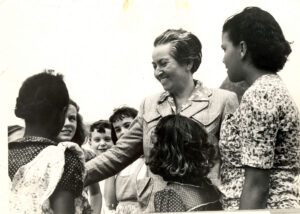
Gender and translation: the shaping of poetic voice in Gabriela Mistral’s poetry
Matilde Miraglia explores how gender, maternity and translation converge in Gabriela Mistral’s poetry to recover obscured female agency and reframe her work within a feminist interpretive space.
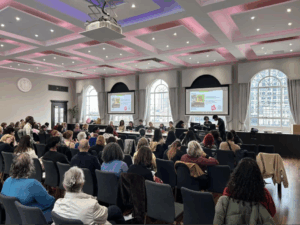
The Public Shows Up for Feminist Literary Translation!
The impressive turnout for an event on feminist approaches to literary translation indicates a significant interest from the public.
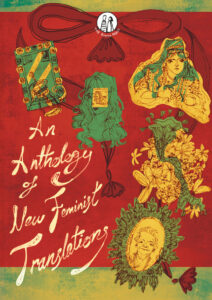
An Anthology of New Feminist Translations
We’re delighted to announce the publication of our Anthology of New Feminist Translations. Earlier this year, we asked six translators – Marilyn Booth, Ruth Donnelly, Seán McDonagh, Elete Nelson-Fearon, Georgia Wall and ...

Feminism and Translation: workshop at Bristol Translates
Helen Vassallo (Exeter) writes about her workshop 'What is “feminist translation”, and why does it matter?'

The Visible Woman: Paratextuality in Feminist Translation
"Translators are often invisible to their readers; however, some translators take a paratextual approach to translation." Eleanor Fillingham writes for the Feminist Translation blog.

From Translation to Authorship: The Itch to Write in Their Own Voices
For many translators, writing begins as an act of listening — a quiet, precise labour of carrying someone else’s voice across the threshold of language and culture.

Feminist Translation and Creativity in the Classroom: ‘The Woman You Become’ Project
From January to June 2025, I undertook with a group of four second-year students in German at the University of Oxford a translation of the short story ‘Werde, die Du bist!’ (1894) by the German writer Hedwig Dohm.

Feminist translation in practice: just good, resistant or strategic?
The Feminist Translation Network (FTN) asks a clear and straightforward question: What is feminist translation, in practice, in the twenty-first century? The investigators are aware that there is no straightforward answer. ...

What Does Feminist Translation Look Like in Practice?: Reflections on The Emma Press and The Feminist Translation Network’s Scratch Night
Leilani Willis (University of Warwick) reflects on the Network's recent event, which brought together a group of translators to read from and discuss their current works-in-progress which respond in various ways to the brief of a feminist translation project.